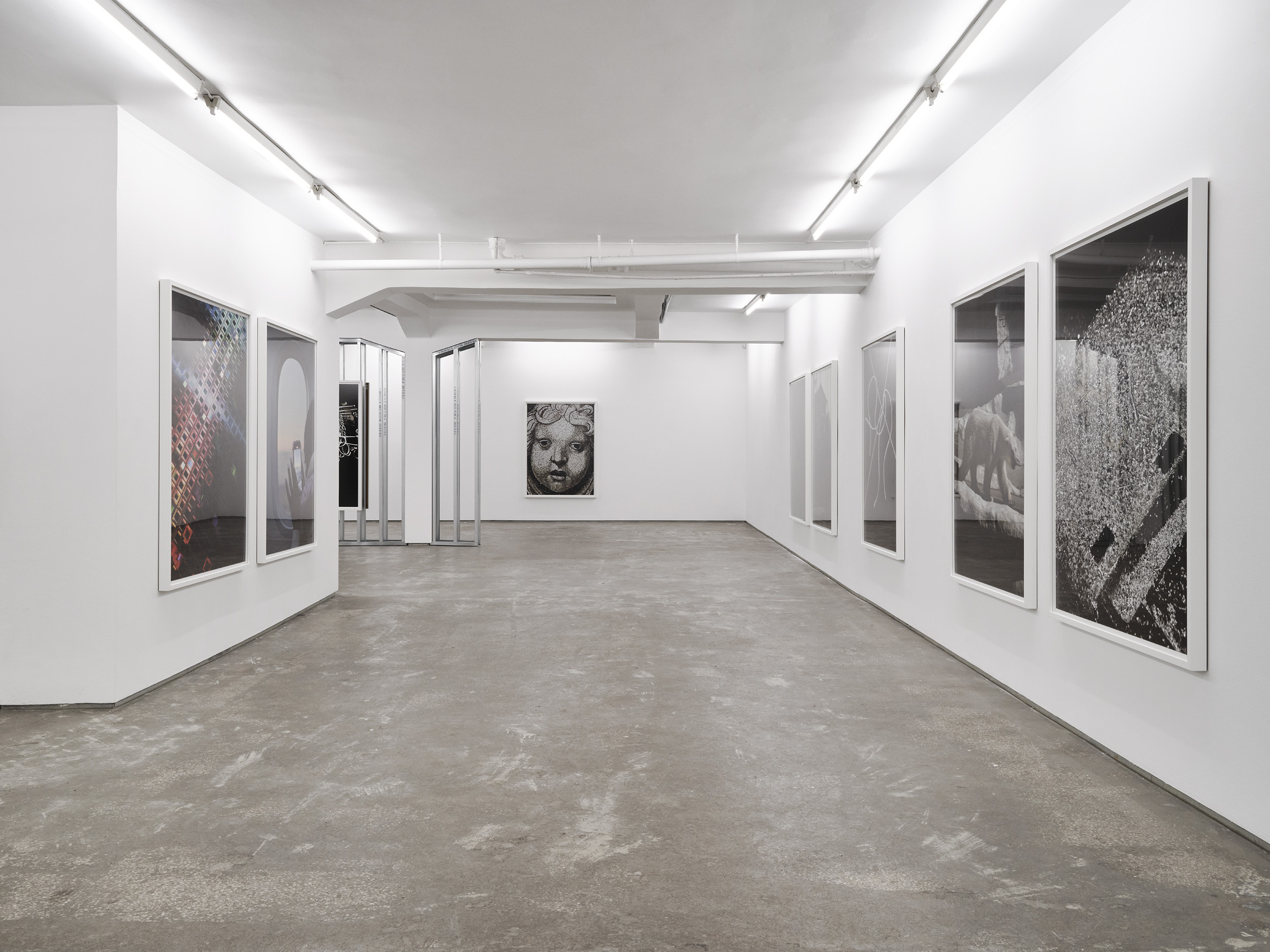
Opening Thursday 15 January, 18.00-20.00
Text by Franco "Bifo" Berardi
Abstraction, eternity, and despair
A personal introduction to the poetical world of Bjarne Bare
What was expected to happen has happened already.
What will happen next is inscribed in the intimate texture of what has already happened.
What we have long feared would happen, has happened since the beginning of time.
But we were not aware of the extent and of the depth of the damage.
Now we are obliged to acknowledge the truth, because oxygen is starting to run low.
What we want is irrelevant. And also what we are is irrelevant, at this point.
“We” is no more, and I don’t feel so well this morning, because quantum computers may solve in minutes what could take today’s supercomputers millions of years to calculate.
Once upon a time some Western-oriented theorists spoke of Platform Capitalism.
We know what a platform is.
The difficult question: What is capitalism?
Many different answers have been formulated.
The most comprehensive and pertinent of all answers is the following:
Capitalism is an attempt to attain eternity, the only attempt that has ever succeeded.
Capital is abstraction from life: life turned into abstract value. Abstraction is not in time. Therefore it is eternal.
Nothing human has been eternal so far. However in the quantum dimension we have now managed to complete the most coveted mission since the dawn of time: abstraction is not in time.
The eternity of our artifact has been made possible at the price of the death of our irrelevant souls.
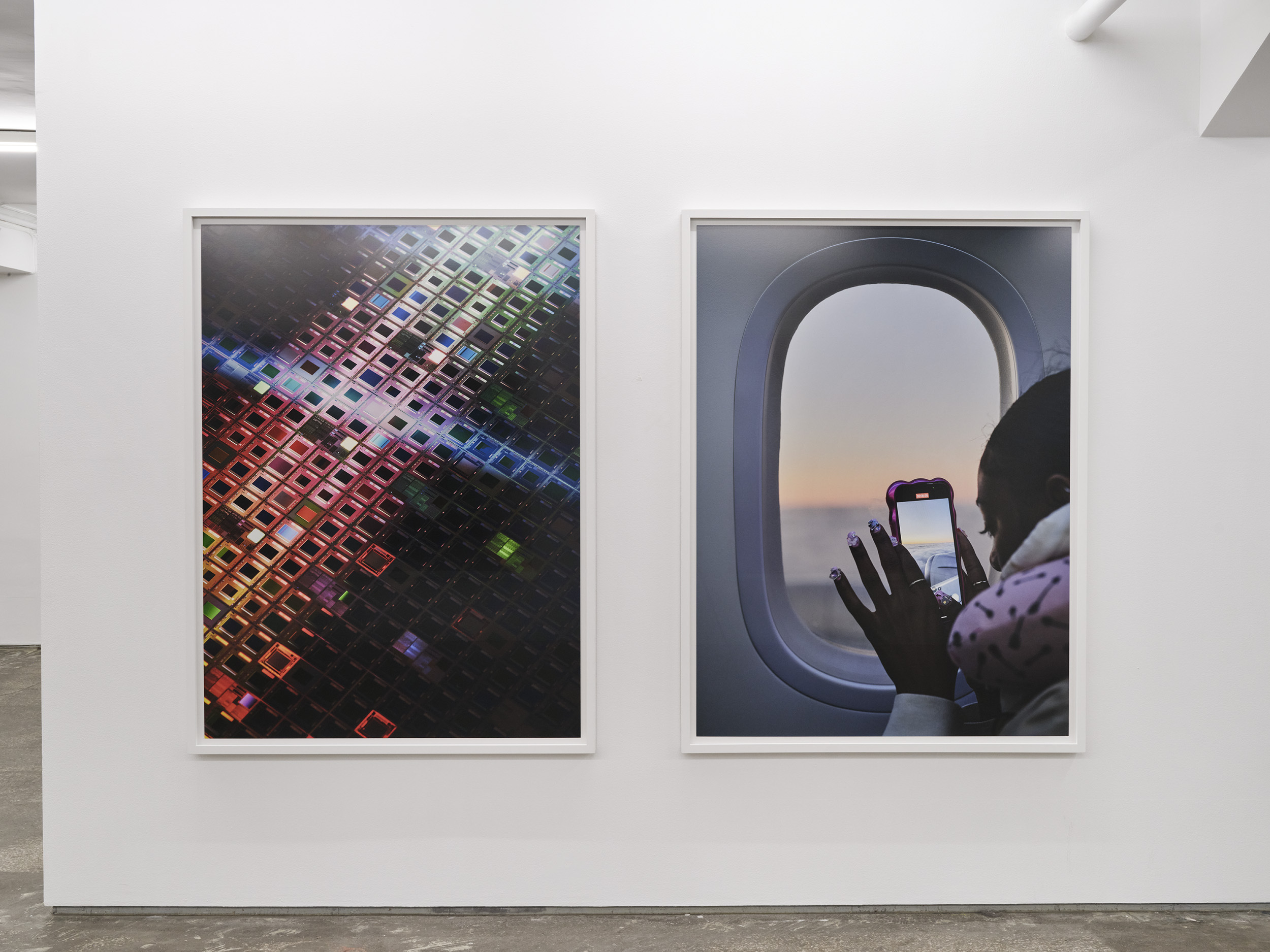
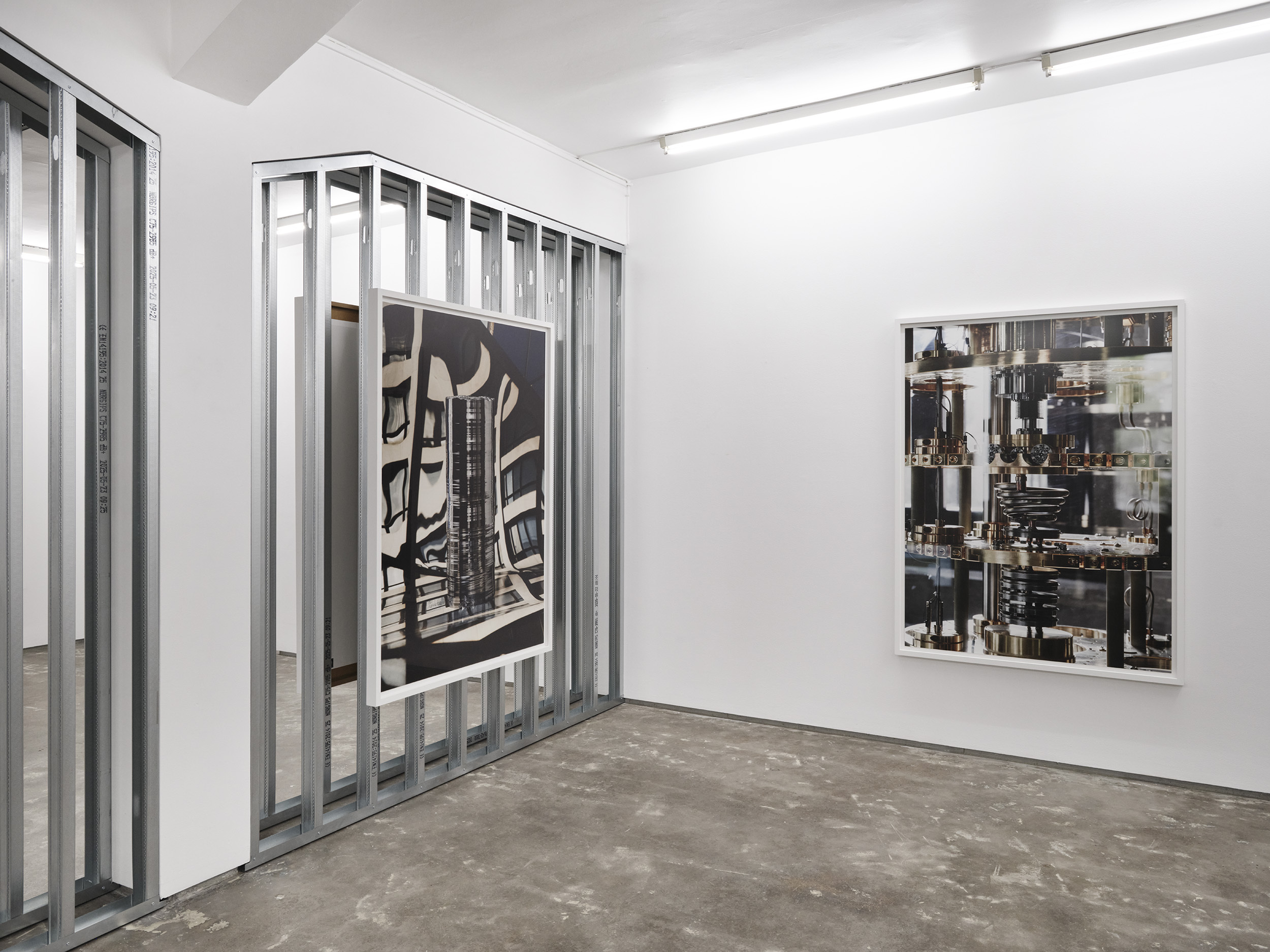
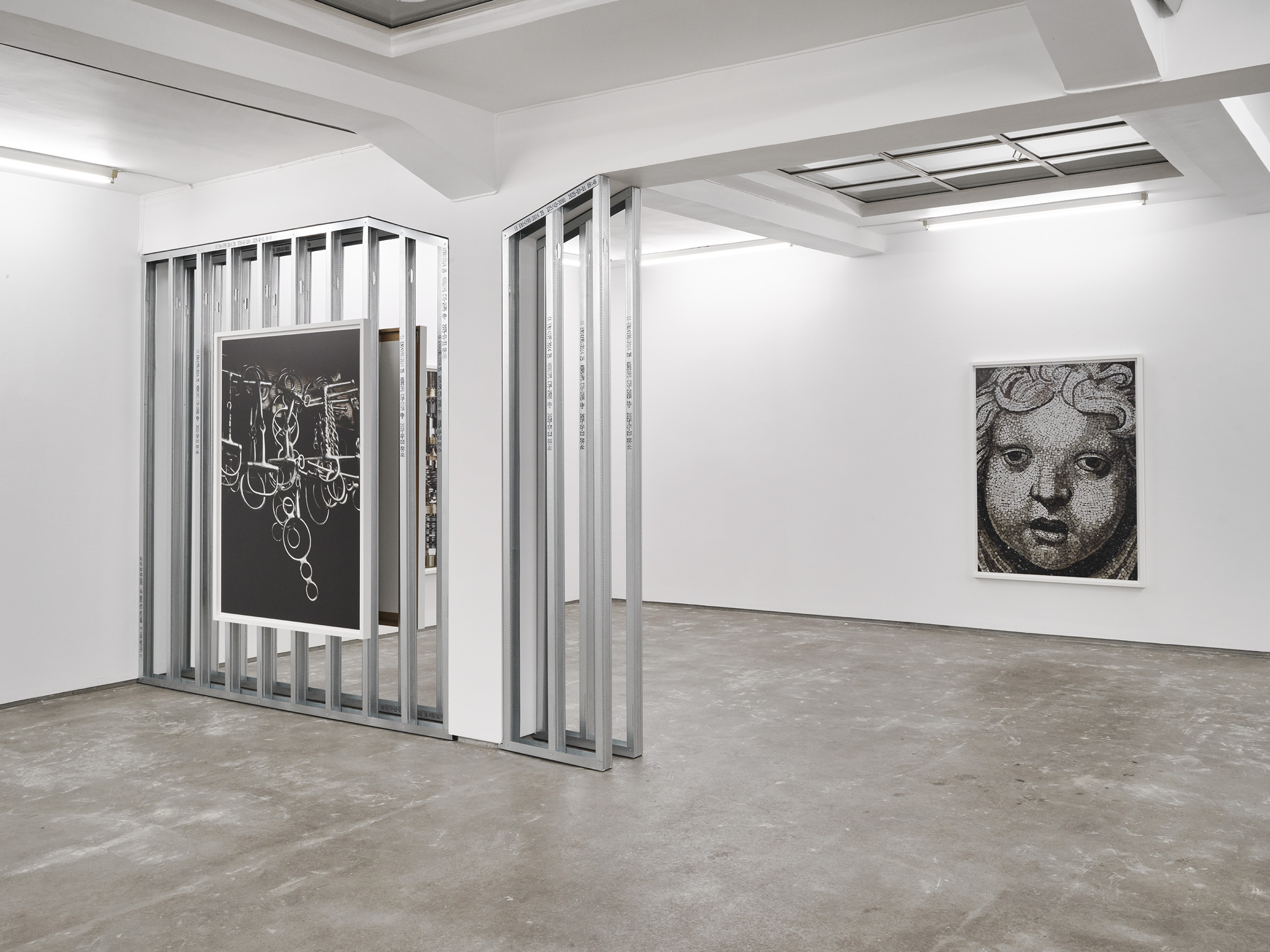
Technically speaking what you see is a “cryogenic stack”. Some engineers call it “the chandelier”.
It doesn't matter what it looks like. It may seem archaic because it is eternal.
It may seem futuristic because it is eternal.
It is eternal because it is timeless.
Eternal ice is melting, as you know, so ice is no longer eternal, because ice was material and all that is material melts in the timeless air of abstraction.
Indeed, the (true) eternity of capital entails the melting of (falsely) eternal glaciers and the rapid extinction of the biosphere. The biosphere is dying, and it is largely extinct, at this point.
Also, the termination of human animals is approaching. Everybody knows, more or less, but nobody is noticing.
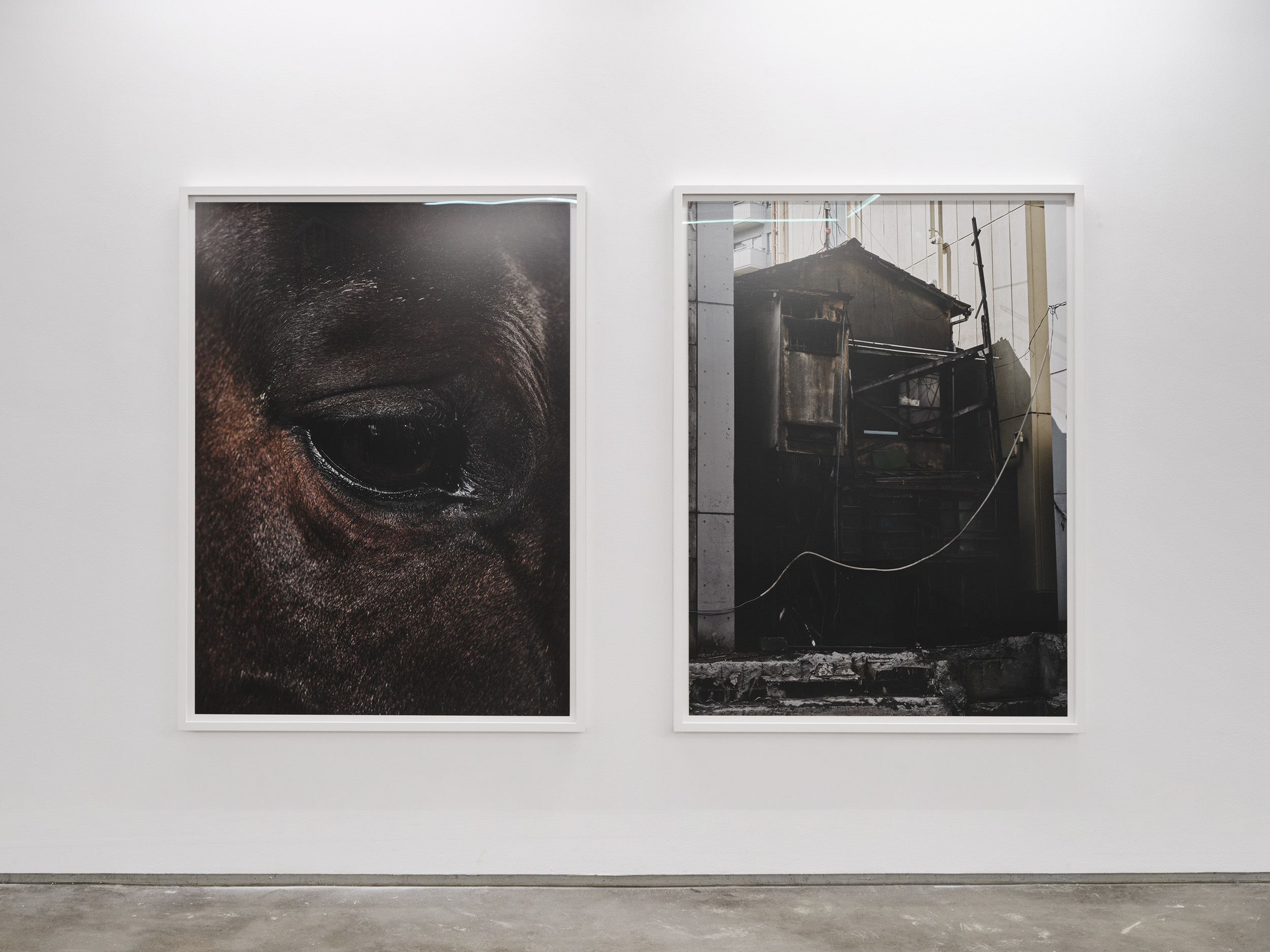
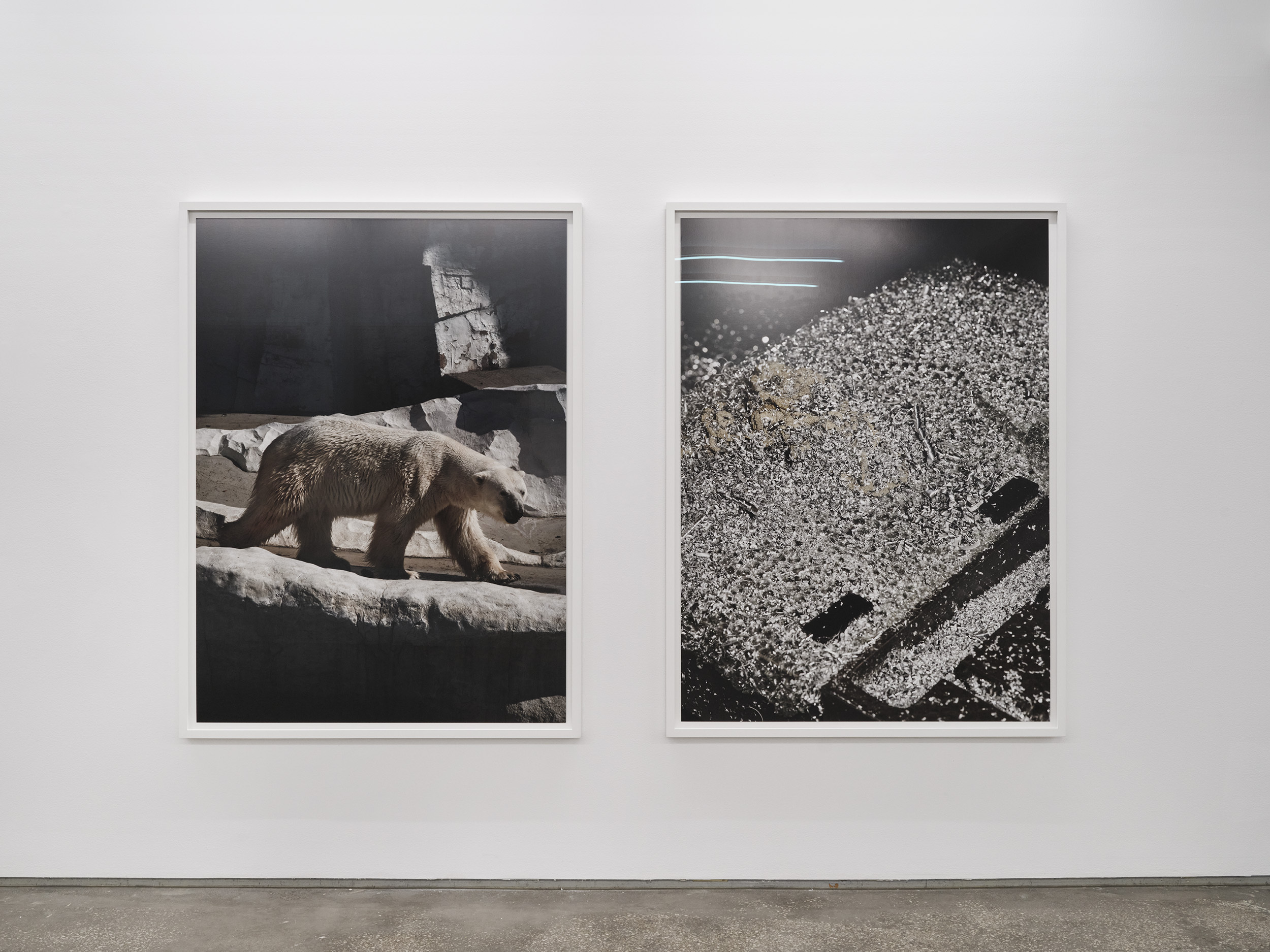
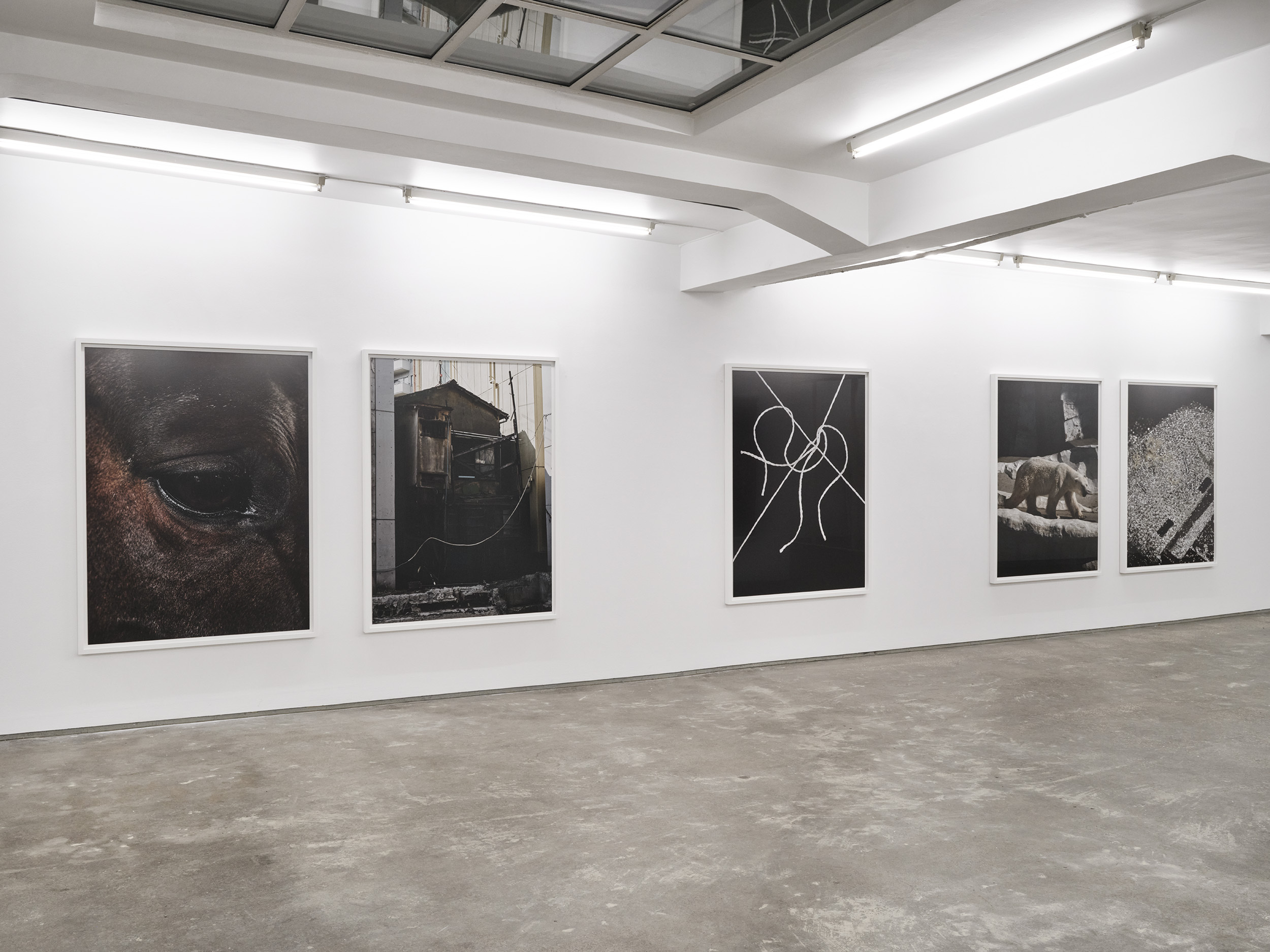
Nevertheless, a polar bear is slowly moving through eternal ice, because Art is immortalizing dead things, like ice and bears.
And the market is immortalizing dead Art, which in turn implies the eternity of Art.
What was expected to happen has happened already.
Do you see human beings around?
You don't see human beings because they have been exterminated by the biblical infection.
Do you hear human voices in the surroundings?
You don’t hear human voices because they have been drowned out by white noise.
Lucy in the sky with diamonds is not human, of course.
She’s cryogenic. Timothy Leary started thinking about cryogenic eternity thirty-five years ago, while preparing to die.
The cremated remains of the LSD aficionado, along with those of Star Trek creator Gene Roddenberry and 22 other people, were blasted into orbit from the Canary Islands along with a Spanish scientific satellite.
Each person's cremains, as they are called, are socked in a lipstick-sized capsule expected to circle Earth. The flight cost is: $4,800 per ashtronaut. The price is "comparable to most conventional funeral services," according to Celeste Inc., the Houston-based firm that contracted to have the ashes sent space-ward.
But wait, there's more: Celeste says that the cremains, each of which weighed 7 grams at launch, should make at least 8,600 orbits before reentering Earth's atmosphere in a second, consummate cremation.
"Space remains the domain of a few, the dream of many," Celeste Vice President Charles Chafer said in a statement.
The Earthview space flight, on the other hand, he says, offers "a final chance to become part of the universe, by being one with the universe." A sentiment with which Leary would, no doubt, agree.
Lucy in the sky with diamonds is the implementation of that old dream.
The Erscheinung of Ex-istenz. And the becoming nothing of the Erscheinung.
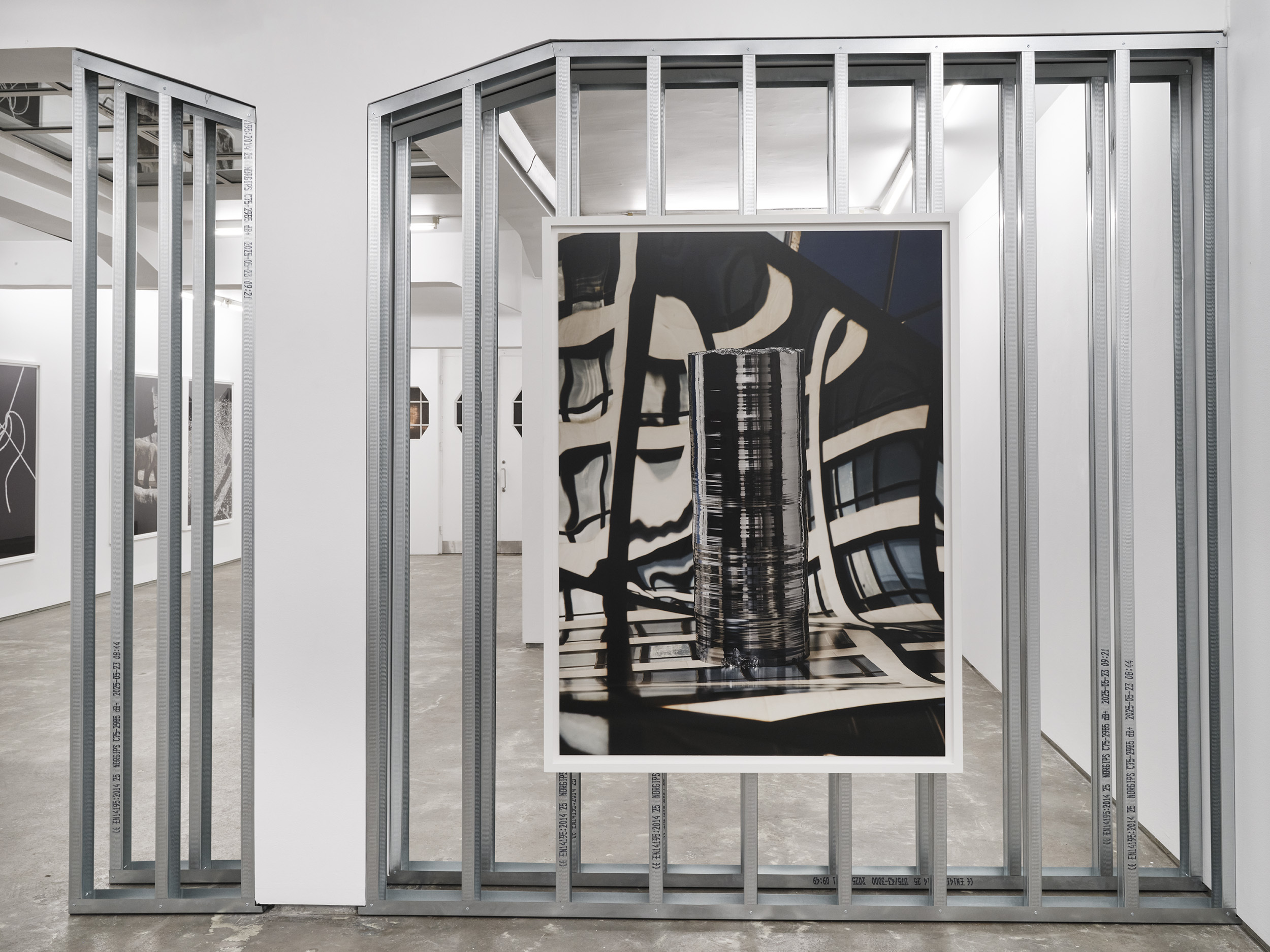
Roughly 90% of all modern-day semiconductor devices use material derived from the Czochralski method, also Czochralski technique or Czochralski process, a method of crystal growth used to obtain single crystals (monocrystals) of semiconductors (e.g. silicon, germanium, and gallium arsenide), metals (e.g. palladium, platinum, silver, gold), salts, and synthetic gemstones.
Lucy in the sky with diamonds is the crystallization obtained from this process.
Lucy is located in France, Euro-Q-Exa is located in Germany.
Will they meet at some point in the future?
What a stupid question.
Why should they meet?
They do not feel sexual attraction, even if Lucy is quite sexy. She is as sexy as a piece of ice.
You can see her flying over the eternal ice already melted or in the process of melting.
What used to be solid melted in the air, while what used to be living is turning dead, and what used to be abstract has taken over all life.
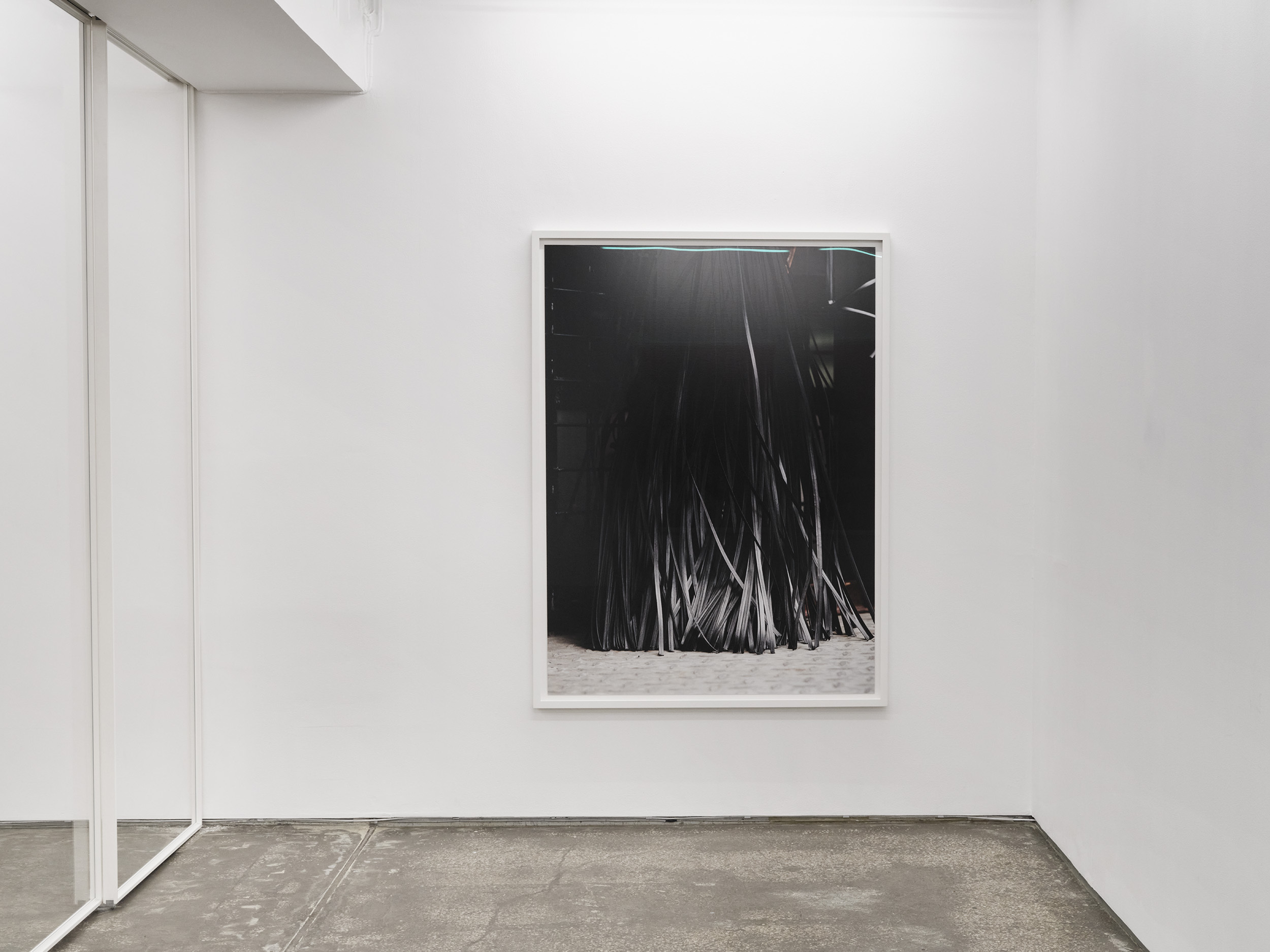
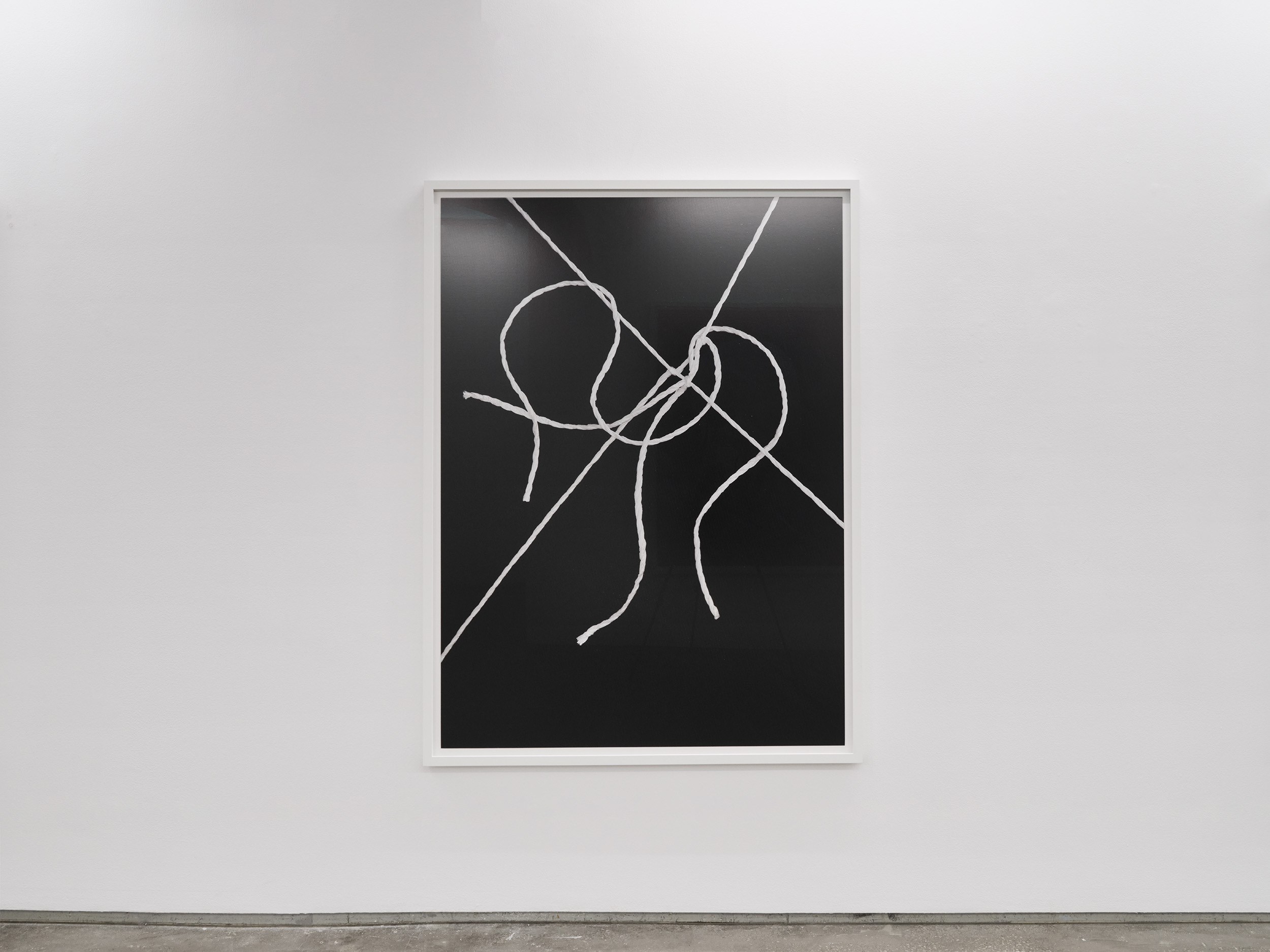
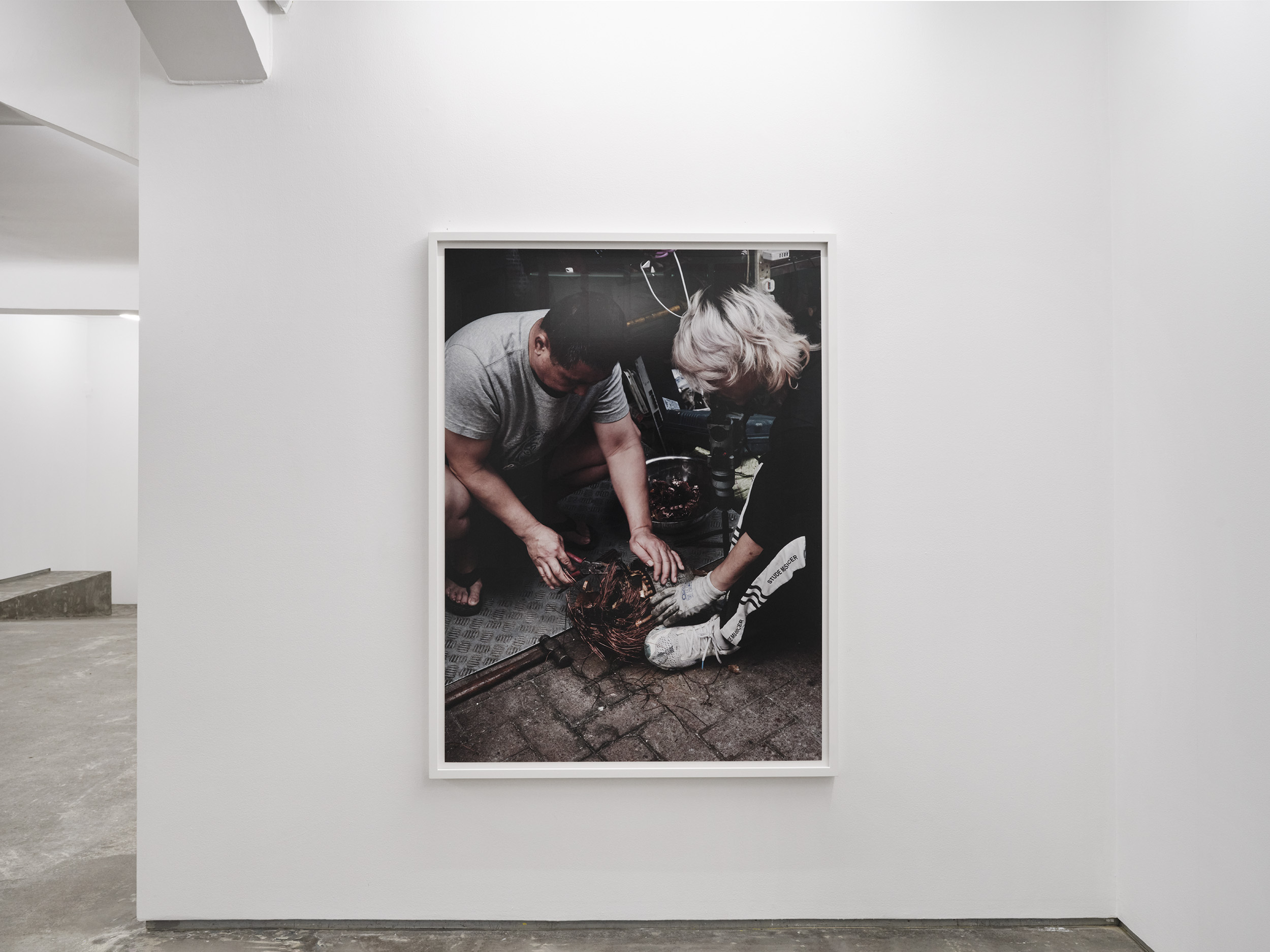
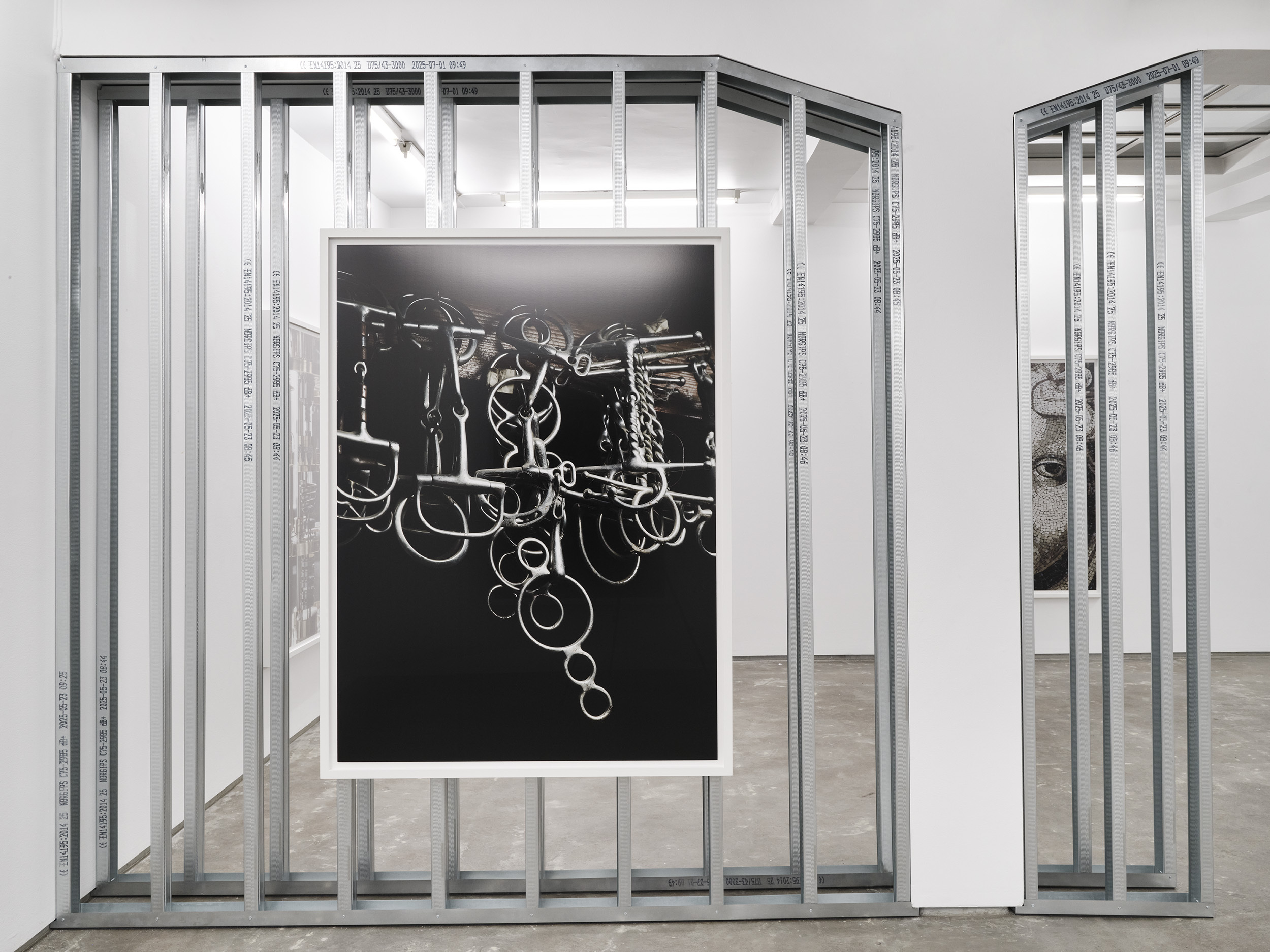
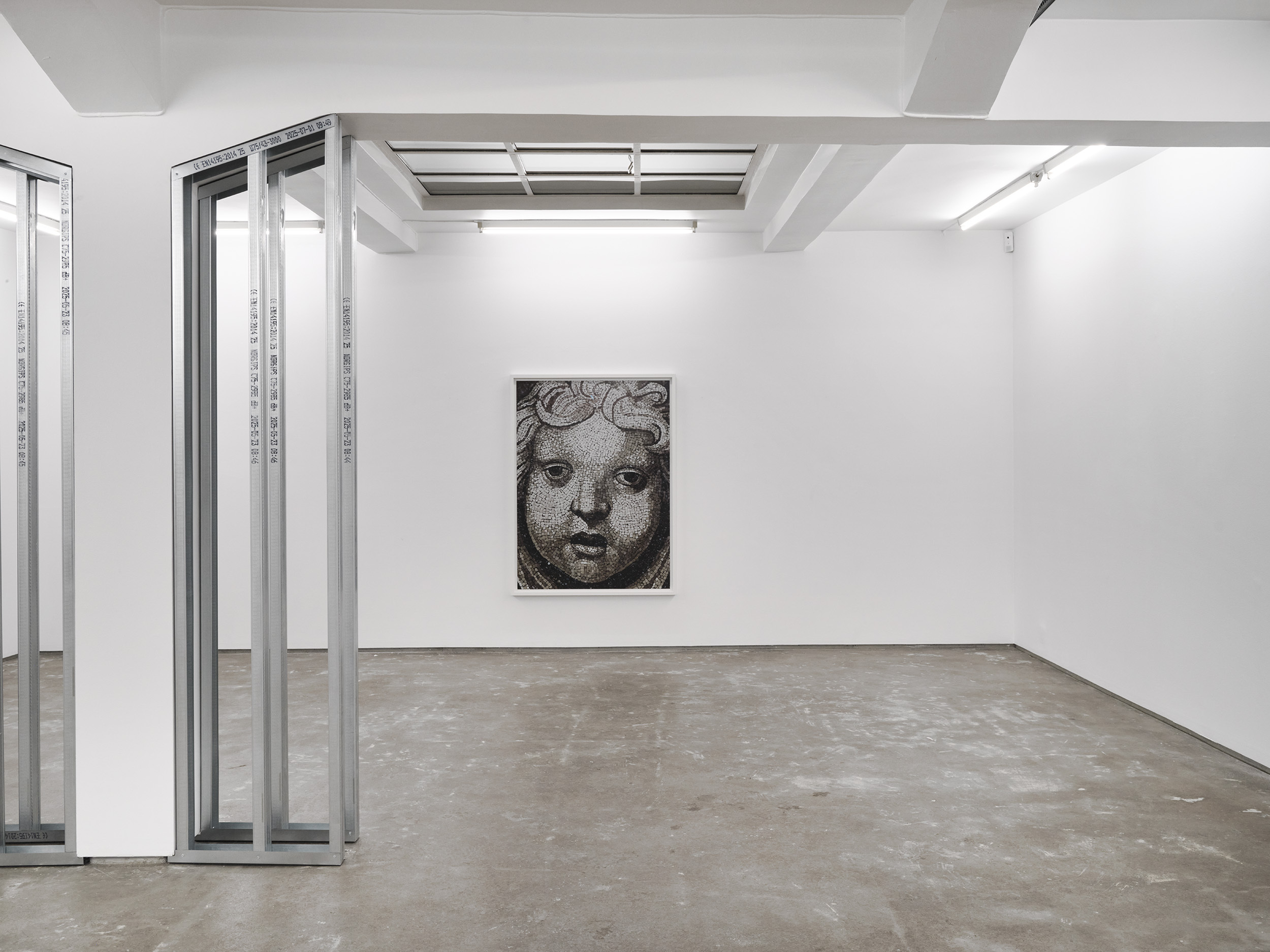
This is my approach to the poetics of a crystallized (lucid, sparkling, translucent) artist called Bjarne Bare whose works are (eternally) exposed in a gallery in the city of Oslo.
Bjarne Bare (b. 1985, Poznań) holds a BFA from the Oslo Academy of Fine Art and an MFA from UCLA. He works with photography as a critical and conceptual practice that interrogates the medium’s material, technological, and institutional conditions. Through abstraction, layering, and symbolic reframing, his work foregrounds photography’s instability, treating the image not as a fixed object but as a provisional proposition shaped by systems of production, circulation, and perception. Engaging technology, nature, and human relations as entangled forces. His practice has been presented internationally and is included in the permanent collections of institutions such as the National Museum of Norway and the Los Angeles County Museum of Art (LACMA).
Franco “Bifo” Berardi is an Italian Marxist philosopher, theorist, writer, and social activist best known for his work on media, communication, and post-industrial capitalism. Born in Bologna in 1949, he emerged from the Italian Autonomia movement of the 1970s, co-founding the influential magazine A/traverso and the free radio station Radio Alice, and later collaborating with figures such as Félix Guattari. Berardi has written more than two dozen books and numerous essays exploring how technology, capitalism, and culture shape subjectivity and social life. He teaches and lectures internationally and is widely published in multiple languages. His recent book Chaos and the Automaton collects key essays originally published with e-flux, offering incisive critiques of global social turmoil and the psychic effects of contemporary political and technological conditions.